
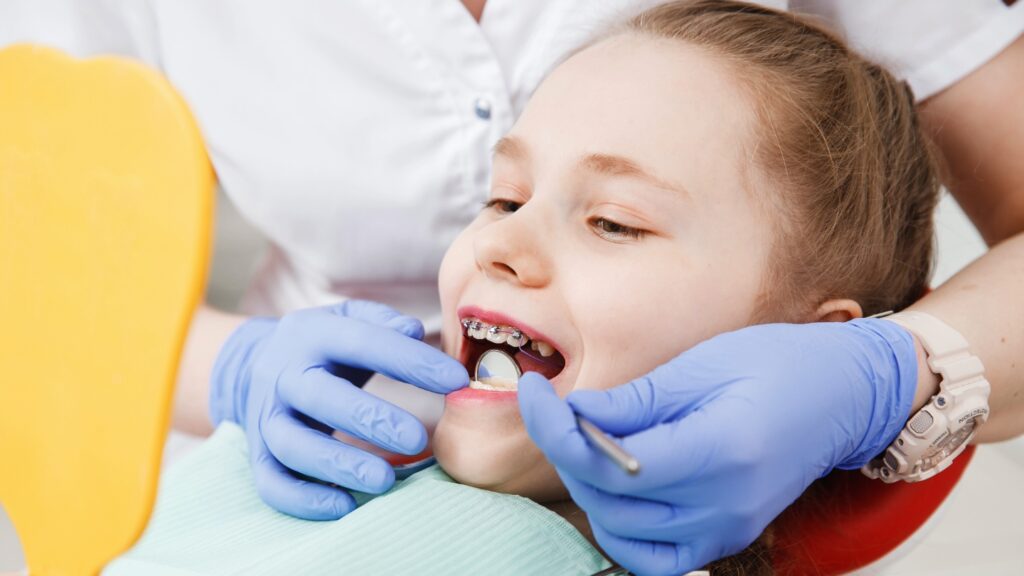
Life moves fast. When you notice your child’s adult teeth have started crowding or forming gaps, you might ask: What age should kids get braces?
There is a common misconception that you have to wait until the “teenage years” to start orthodontic work. Modern orthodontics can start much earlier, with new methods that focus on proactive care, not just reactive straightening.
At Schwartz Orthodontics, we believe understanding the timeline keeps your smile healthy for life.
1. Understanding Modern Braces
Braces have come a long way from the bulky “train tracks” many of us remember. Today, there are options for every lifestyle and dental need.
Different Types of Braces Available for Kids
- Traditional Metal Braces: Today’s metal braces are smaller, sleeker, and more comfortable.
- Ceramic Braces: These braces have clear or tooth-colored brackets. This makes them less noticeable. They are a popular choice for teens in the Babylon area.
- Clear Aligners (Invisalign First/Teen): These are removable trays. They are excellent for kids who are active in sports or music, as there are no wires to worry about.
- Self-Ligating Braces: These use a special clip instead of elastics to guide teeth. This often means fewer adjustment appointments.
Common Misconceptions
One of the biggest myths is that braces are purely cosmetic. While a straight smile looks great, braces are primarily about function. Correcting a bite early can prevent jaw pain, uneven tooth wear, and even speech issues later in life.
2. When to Consider Braces
Deciding when a child needs braces isn’t just about age. It’s about their dental development.
The Recommended Age for an Evaluation
The American Association of Orthodontists says kids should have their first orthodontic check-up by age 7. At this age, most kids have both baby and permanent teeth. This mix helps orthodontists notice small problems with jaw growth and new teeth coming in.
Signs Your Child May Need Braces
Keep an eye out for these indicators that an evaluation might be necessary:
- Crowding: Teeth that are overlapping or “blocked out.”
- Mouth Breathing: This can sometimes be linked to a narrow palate or airway issues.
- Prolonged Thumb Sucking: Habits that continue past age five can alter jaw shape.
- Early or Late Baby Teeth Loss: This can change how permanent teeth align.
2. When to Consider Braces
Deciding when a child needs braces isn’t just about age. It’s about their dental development.
The Recommended Age for an Evaluation
The American Association of Orthodontists says kids should have their first orthodontic check-up by age 7. At this age, most kids have both baby and permanent teeth. This mix helps orthodontists notice small problems with jaw growth and new teeth coming in.
Signs Your Child May Need Braces
Keep an eye out for these indicators that an evaluation might be necessary:
- Crowding: Teeth that are overlapping or “blocked out.”
- Mouth Breathing: This can sometimes be linked to a narrow palate or airway issues.
- Prolonged Thumb Sucking: Habits that continue past age five can alter jaw shape.
- Early or Late Baby Teeth Loss: This can change how permanent teeth align.
3. The "Best" Age for Braces
When considering the best age for kids to get braces, the answer is usually between 9 and 14.
During these years, the head and mouth keep growing. This helps guide teeth into their right positions. This stage is often referred to as Phase 2 treatment.
Is There a Braces Age Limit?
Strictly speaking, there is no braces age limit. You can get braces at 8 or 80.
Interceptive orthodontics treats issues while the jaw is still growing. This approach can often prevent the need for more serious procedures later. This includes tooth extractions or jaw surgery.
Benefits of Timing
Even though you can get braces at any age, there are ideal timeframes where braces offer specific benefits.
For Ages 7-10, Early Treatment focuses on structural changes, like widening a narrow palate.
For Teenagers: Aims to perfect the smile shortly after permanent teeth are grown in.
4. The Braces Process: What to Expect
If you’re thinking about treatment for your child in Deer Park or North Babylon, the process is simple and stress-free.
- Initial Consultation: A complete exam with 3D digital scans to see what’s happening below the gum line.
- Treatment Planning: A customized map of how the teeth will move and how long it will take.
- Duration and Maintenance: Most kids wear braces for 1 to 3 years. Maintenance means doing quick check-ups every few weeks. It also includes regular brushing and flossing.
- Post-Treatment Care: After removing the braces, wear retainers. They keep your teeth in their new, corrected positions.
5. FAQs About Ages for Braces
What age can a child get braces?
It’s typical for children to start evaluation at age 7, with some starting “Phase 1” treatment as early as age 8 or 9.
Does my child really need braces?
Not every child needs treatment! A consultation will determine if your child’s bite is healthy. We often watch their growth for a few years. Then, we decide if intervention is needed.
How do I prepare my child for braces?
Focus on the benefits—like a boost in confidence! It also helps to have soft foods on hand for the first few days after getting braces or having them tightened.
Finding the Right Fit in Long Island
Choosing when to start orthodontic treatment is a big decision for any family. No matter if you’re in North Babylon, Deer Park, or Wyandanch, it’s important to find a local specialist. They should understand your child’s unique needs.
At Schwartz Orthodontics, we’re here to guide you through these milestones with clear support and care. If you have questions about your child’s smile, the best time to get answers is now!